

Author: Cathy Suggs, ACA Member
There are numerous ways to maintain skin and coat for dogs diagnosed with SA. Oil baths seem to be the most effective way to maintain healthy coat and skin but this process can be time consuming.
* Please note that the products used need to be used with caution. Some shampoos may be harsh and cause irritation. Some oils may be too thick or harsh and need to be adjusted accordingly. What works for one dog may not work for another AND as the condition improves some products may not be necessary for maintaining skin and coat *
- 1st step is to bathe dog to remove dirt and scaly skin build up. Shampoo choices vary from medicated Douxo seborrhea shampoo, Dawn dishwashing detergent, Murphy’s oil soap, or Nizoral (antifungal) shampoo are just a few examples. Gently working the shampoo deep to the skin. Concentrate on working soap into any of the crusty hair follicles. Rinse with warm water.
- 2nd step is the oil soaks. In the beginning it might be necessary to start out with weekly oil soak and then monthly once skin and coat become healthy. Soak from head to toe working oil deep to the skin. Oil soaks can take anywhere from 2 to 6 hrs depending on how severe the condition is. Baby oil, mineral oil, olive oil, coconut oil, propylene glycol, alpha keri bath oil are just a few types of oil that can be used. Most will need to be diluted at least 50/50 before applying. During the soak phase, you should try to remove any of the follicular cast either with a brush or comb.
- After soaking, wash with shampoo to remove oil and any dead hair. It may take 2 shampooings to remove all the oil and hair. Towel dry or use low heat on hair dryer.
NOTE: some owners do the oil soak first and then bath after soak.
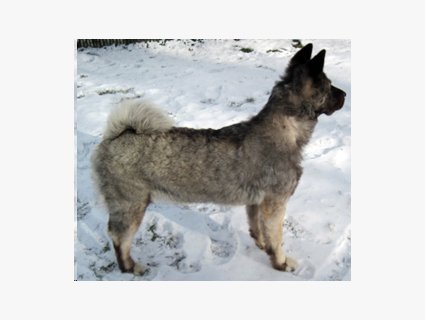
January 2016 - Photo of Sarge courtesy of John Wheeler

June 2017 - Photo of Sarge courtesy of John Wheeler
- Between baths you can also spray with an emollient mixture and brush with soft boar hair brush. This helps remove the oily scales (follicular casting), and helps stimulated and soften the skin. You can also use a flea comb to get the crusty clumps off the skin.
- Other solutions used (between oil soak times) have been a mixture of brown Listerine mouth wash, Sea Breeze astringent and water, equal parts mixed in a spray bottle. Spray all over body and wipe down with warm wash cloth. The Listerine and Sea breeze act like antiseptic cleaner, care must also be given not to dry the skin out, so after this application and brushing, make sure you follow up with a light mist of some type of oil spray. Some owners use Avon Skin So Soft. Note: Listerine mixture should be made fresh once a week.
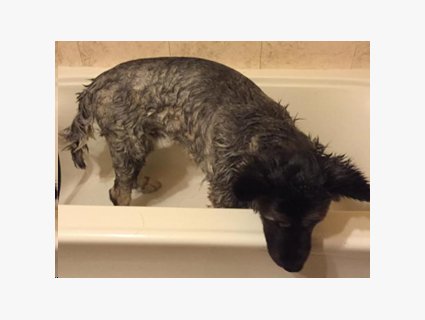
Oil Soak
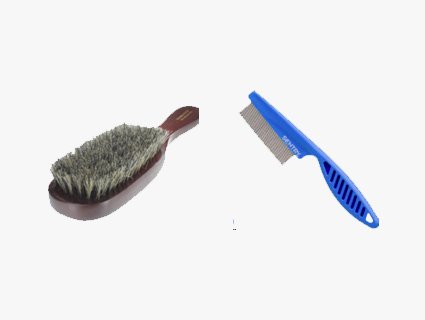
Brush & Flea Comb
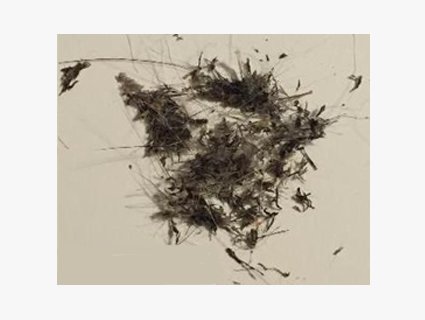
Follicular Casting
Along with the medicated baths, many owners find that they also need to give oral medication.
- CYCLOSPORINE (ATOPICA) is the most common drug uses. It is an immunosuppressant used to stop the destruction of the sebaceous oil glands. Usually prescribed to be given once a day and can be adjusted/reduced once good skin and coat quality are accomplished
- DOXYCYLINE is an antibiotic but has numerous immunomodulating properties as well and is used widely in the treatment of immune-mediated disease.
- PREDNISONE is a corticosteroid immunosuppressant , helps control crusty lesions. Once skin redness is under control, dose is tapered and eventually dogs can be take off.
- ISOTRETINOIN (Accutane) also helps control the crusty lesions but liver enzymes need to be monitored while on this medication.
- KETACONAZOLE is an antifungal medication. Some dogs do have secondary fungal infections that will need to be treated either orally or topically (creams or shampoo- Nizoral). It can be used “off label” to reduce follicle inflammation and hair loss. Caution with this drug, blood work needs to be monitored if long term use.
Vitamins and supplements:
- Vitamins A, E, C, Evening Primrose oil as well as Omega 3 and 6 fatty acid along with Salmon Oil can be given.
- Pau D’Arco, Echinacea, Milk Thistle (to help with liver support), Co- Q10, are a few short term immune supportive supplement that can be added to food. Once skin and coat look healthy these can be discontinued.
- Melatonin has been used to help with hair regrowth.
- Shield4Pets
As far as dog food and treats, most SA dogs don’t need special diets. However, it is recommended to feed a high-quality food. Some owners switch dogs to RAW. Adding digestive enzymes and/or probiotics to their daily meals can also help. Yogurt and cottage cheese along with fresh fruits and veggies can be given as treats.
It is important to remember that SA is an immune system disorder and “monthly” flea/tick/heartworm prevents must be used with caution. Consult your vet for the best products to use.
If you have any questions you can join the Facebook group called Sebaceous Adenitis Akitas United
Lastly and most important, dogs diagnosed with SA can still live a happy and healthy life. These 2 beauties are also very successful in the obedience ring.

Suggs’s Jasmine Jade CGC, CD, CDX, TT, VDX - Owned by Cathy Suggs
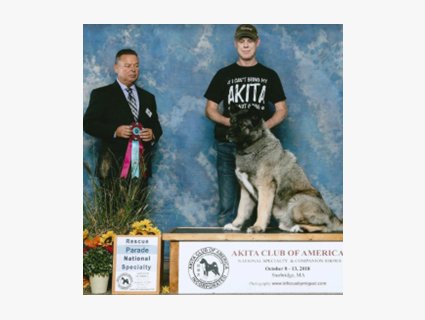
Sarge CGCA, CGCU, TKN - Owned by John Wheeler