

Author: Cathy Suggs, ACA Member
It is inflammation of the sebaceous oil glands that affects the skin and ultimately affects coat quality and texture. It’s commonly found in Akitas and Poodles although other breeds can be affected. It’s considered an autoimmune disease that is thought to be autosomal recessive in origin; however there is no known genetic marker at this time. It can occur at any age but most commonly in young dogs between the ages of 2-5 yrs of age. Both sexes are affected. The first clinical signs that most owners notice are patches of hair falling out, coat texture is sometimes brittle feeling and/or an oily/sticky feeling, skin color is graying and becomes thickened and the most classic symptom is they have a musty odor that smells like rancid butter.
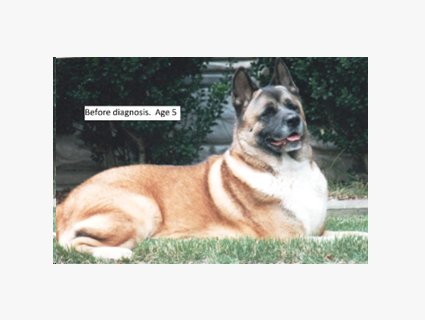
SA Before Diagnosis Age 5

Shortly after confirmed diagnosis of SA by skin biopsy
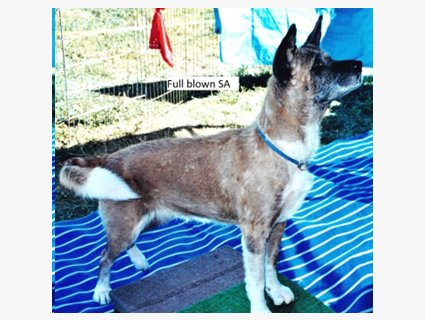
Full blown SA
How it is diagnosed?
the only way to confirm this disease is with a skin biopsy. Your vet will need to submit several samples from multiple affected areas. These samples are sent to the pathologist. The pathologist looks for hyperkeratosis and the absence of the oil glands. In some cases there are other skin infections that mimic SA, so this needs to be differentiated as they are treated differently.
- Patchy hair loss over the dorsal trunk, the face, and ears.
- “Rat tail” is also a classic symptom.
- “Moth-eaten” appearance
- “Elephant skin”
- Hair follicles have oil black casts on the end of the hair shaft
- Thinning, brittle coat
- Secondary bacterial infection of the skin
- Primary or secondary fungal infection is most often diagnosed first.
- Sometimes weight loss is also noticed
- Itchy skin may or may not be noticed. Most cases of SA are not “itchy”.
How is it treated?
There are a lot of different opinions on how SA is treated. Treatments vary from diet changes, oil baths, steroid treatments, and immunosuppressant drugs like Cyclosporine or retinoid therapy.
It’s important to get diagnosis quickly as treatments may vary due to severity of condition
Mild early onset cases
- Owners are usually given medications for secondary infections which most of the times consist of antibiotics along with steroids.
- Omega fatty acids
- Low dose Vitamin A
- Medicated baths and oil soaks
- Daily brushing to help remove the “gunk” that builds up on the skin. This also helps to stimulate blood flow to the skin and is a great bond exercise for owner and pet.
More severe cases
- Higher doses of Vitamin A (which can require a prescription)
- Cyclosporine
- Ketoconazole (which is usually used for primary/secondary fungal infections)
- Steroids
- If dog are on these drugs it’s also important to monitor liver and kidney functions
Management and life expectancy
There is no genetic test that can be done prior to breeding, affected dogs should not be bred. SA is hard to diagnose, many times goes undiagnosed or even misdiagnosed for years. Low thyroid, food allergies, poor nutrition, other underlying metabolic disease can also mimic the same skin issues.
There is no cure for SA but it can be managed. Condition may vary with or without treatment. It is important that owners realize the dogs can live a happy and healthy life. SA is not a death sentence. In some cases with the oil baths and medications dog will regrow their hair back and no one would ever know they were ill.
It is important to get the right diagnosis and hopefully owners will submit samples for further research into the disease. This can be done at the following links:
https://www.ofa.org/diseases/other-diseases/sebaceous-adenitis